Experienced Roofer for Excellent Roof Services
Engaging a skilled roofing contractor is a smart choice for property owners seeking high-quality roof work. These experts not only ensure adherence with local building codes but also provide access to superior materials. Their capacity to identify and address potential issues early can preserve significant time and money. Comprehending the various roofing options on the market and the advantages they offer can further enhance this undertaking. What considerations should homeowners evaluate when choosing the right professional for their requirements?
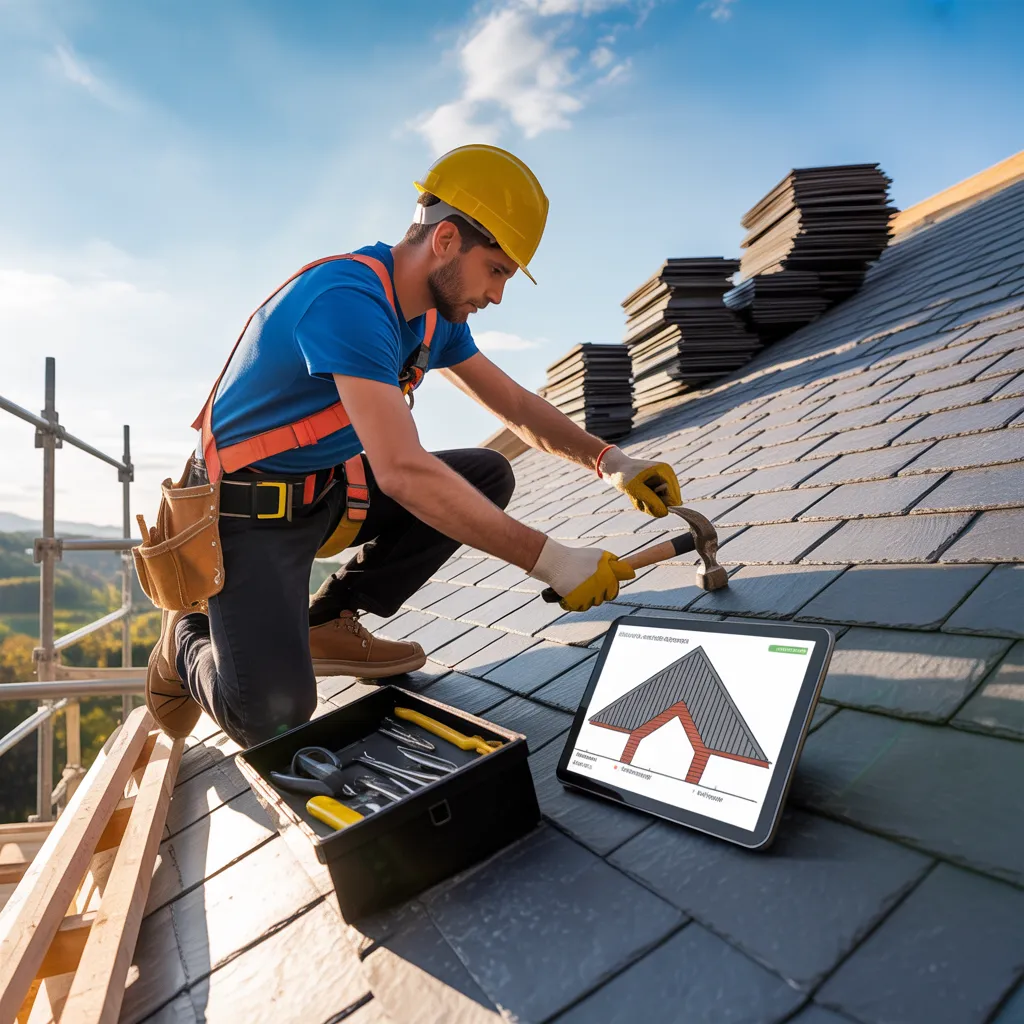
Why You Ought to Hire a Professional Roofer
When deliberating a roof installation, hiring a professional roofer guarantees both superior results and security. Professional roofers maintain the vital expertise and knowledge to address multiple roofing challenges competently. Their experience permits them to identify potential issues before they worsen, guaranteeing long-term structural integrity. Additionally, they are proficient in municipal construction codes and regulations, which decreases the risk of statutory issues.
Also, professional roof technicians have access to high-quality materials that may not be accessible to the average property owner, boosting the general performance of the roof structure. They also deliver protective guarantees that can give peace of mind, safeguarding the financial stake made in the roof work. Importantly, safety is essential; experienced roof technicians are equipped with the right tools and protective wear to perform their work without risking damage. To conclude, hiring a skilled roof expert is a sensible selection for achieving a reliable and safe roof answer.
Your Guide to Top Roofing Materials and Their Benefits
Numerous roofing materials are on the market, each presenting separate strengths matching diverse requirements and selections. Asphalt shingles are within the most popular due to their affordability, ease of installation, and selection of colors. Metal roofing, famous for its durability and resistance to extreme weather, furthermore redirects heat, making it energy-efficient. Slate tiles provide a ageless look and superior longevity, while clay tiles offer excellent insulation and can withstand harsh climates.
For individuals weighing environmentally responsible solutions, rubber roofing is becoming increasingly common; it emulates the presentation of more expensive items and is built with reclaimed products. Wood shakes present a natural, quaint appearance but call for more regular upkeep. To conclude, synthetic roofing materials unite the finest traits of traditional choices, delivering versatility and resilience. Each material presents individual benefits, rendering it essential for occupants to evaluate their priorities and seek guidance from professionals when deciding on the best solution for roofing.
Common Roofing Issues and How Experts Address Them
Standard roofing difficulties, such as moisture penetration and water damage, can produce notable constructional damage if not addressed promptly. Additionally, missing or damaged shingles compromise the roof's solidity and render the home to further risks. Professionals employ various techniques to locate and remedy these predicaments, securing long-lasting protection and peace of mind for homeowners.
Drips and Liquid Damage
Leaks and water damage bring about serious impediments for homeowners, often spurring high-priced fixes and construction hazards. These troubles frequently originate from a collection of origins, including weakened materials, incorrect installation, or even dangerous weather situations. Water passage can harm insulation, facilitate mold spread, and lessen structural robustness. Seasoned roof experts adopt modern techniques to uncover and resolve leaks productively. They execute meticulous inspections to determine at-risk areas, utilizing tools such as moisture meters and infrared cameras. Once uncovered, they institute focused approaches, which may include sealing, flashing replacement, or, in severe cases, partial roof replacement. By fixing leaks right away, professionals serve property owners reduce deterioration, providing continuing protection and peace of mind.
Lost or Damaged Shingles
Roofing concerns often present through missing or damaged shingles, which can undermine a home's protective barrier. These defects leave unprotected the underlying structure to elements, possibly causing leaks and additional damage. Professionals typically perform comprehensive evaluations to establish the extent of the damage. They may recommend substituting single shingles or entire sections, depending on the degree. Employing high-quality materials, experienced roofers ensure proper installation to avoid subsequent problems. Additionally, they assess the roof's overall condition to address any underlying problems, such as poor ventilation or structural weaknesses. Regular maintenance and prompt fixes are vital to maintaining a roof's integrity, ultimately safeguarding the home from water infiltration and other natural threats.
Evaluating the Optimal Roofing Option for Your Home
When choosing the best roofing choice for a home, it is essential to assess individual roofing needs first. Comprehending the range of roofing materials on the market and their respective costs can greatly impact the decision-making process. Financial planning also are important in ensuring that the chosen solution meets both visual and practical requirements.
Evaluating Your Roofing Requirements
How can one select the most ideal roofing option for their house? To evaluate roofing needs, start by examining the home's structure and the local climate. Homeowners should reflect on elements such as energy efficiency, durability, and maintenance requirements. A comprehensive inspection of the existing roof can reveal potential problems that might influence the decision of materials. Moreover, budget constraints play a crucial role; understanding the long-term expenses compared to initial investment is vital. Consulting a licensed roofer can provide valuable insights and suggestions tailored to individual demands. Ultimately, the decision must combine aesthetic preferences with useful considerations, ensuring the chosen roofing option increases the home’s value while offering extended safeguard.
Material Selections Introduction
Determining the right roofing materials is a pivotal step in the overall roofing process. Homeowners must consider multiple choices, each with distinct advantages and drawbacks. Asphalt shingles are favored for their cost-effectiveness and simple installation, while metal roofing provides durability and energy efficiency. Clay and concrete tiles provide a stylish, long-lasting solution, particularly ideal for warm climates. Wood shakes offer a natural aesthetic but demand more maintenance. Synthetic materials, such as rubber or plastic, mimic traditional styles while delivering enhanced durability. Additionally, eco-conscious factors may lead some homeowners to investigate sustainable options like green roofs or recycled materials. Ultimately, choosing the best roofing material relies on the home's design, climate, and personal preferences.
Budget Considerations Clarified
Budgeting for a roofing project usually requires careful consideration of several factors to make certain homeowners select the most fitting option for their needs. First, material selection significantly affects both initial costs and long-term durability. Asphalt shingles may be cost-effective, while metal or tile options might offer increased lifespan but at a premium cost. Additionally, labor costs can differ based on the roofing contractor’s expertise and the project’s complexity. Homeowners should also consider potential hidden expenses, such as the need for structural repairs or permits. Finally, considering long-term savings through energy efficiency and warranties will help in making an informed decision that balances upfront investment with future benefits.
What You Should Know About the Roofing Procedure
Comprehending the roofing process can dramatically improve a property owner's engagement during a roof replacement project. At the outset, property owners should be prepared for a detailed inspection of the present roof conditions to identify its condition and the required work or updates. Once the assessment, a complete proposal will outline the range of services, components, and timeline.
When the project starts, homeowners can expect an efficient setup with protective measures in place to preserve their property. The roofing crew will remove old materials, inspect the underlying structure, and fit new roofing systems according to industry standards. Staying informed is essential, as homeowners should expect regular updates on advancement and any unforeseen issues.
To wrap up, the initiative finishes with a complete assessment to confirm quality and adherence to specifications. Property owners should likewise receive maintenance advice to increase the longevity of their new roof, reinforcing the importance of understanding the complete roofing procedure.
The Significance of Frequent Roof Inspections
Although many property owners may neglect roof care, routine check-ups are vital for preserving the structural condition and durability of a roof. These assessments help identify small problems before they transform into costly repairs. By detecting issues like leaks, loose shingles, or moss growth promptly, homeowners can save both time and money.
In addition, consistent check-ups guarantee that the roof meets local building codes and regulations, which can prevent future setbacks during property transactions. Seasonal changes can take a toll on roofing materials, making it essential to monitor wear and tear.
Additionally, a carefully maintained roof enhances the overall visual beauty of a home and strengthens its market value. Undertaking routine inspections not only bolsters the structural soundness of the property but also grants mental ease for homeowners. Ultimately, prioritizing roof maintenance is a proactive approach to home maintenance that provides rewards in the long run.
Locating and Hiring a Experienced Roofer in Your Area
Once recognizing the importance of consistent roof inspections, homeowners regularly seek trained experts for maintenance and repairs. Finding a qualified roofer in their area can be intimidating; however, a few crucial methods can facilitate the process.
To start, homeowners should obtain referrals from friends, family, or neighbors who have recently had roof repairs done. Online reviews and ratings on services such as Google and Yelp can also deliver useful insights into a roofer's standing.
After a roster of possible contractors is assembled, homeowners should confirm qualifications, including permits and protection. Getting various estimates enables them to compare prices and services offered.
Furthermore, inquiring about warranties and guarantees can help ensure long-lasting results. By following these steps, homeowners can securely hire a professional roofer who meets their particular requirements, ensuring their roofs remain in optimal shape for years to come.
Common Asked Questions
What Credentials Should I Look for in a Skilled Roofer?
When looking for a professional roofer, one should prioritize qualifications such as appropriate permits, adequate insurance, extensive experience, positive customer reviews, refer to resource and adherence to industry standards. These factors guarantee dependable craftsmanship and safeguard from potential liabilities.
How long Does a Typical Roofing Project Take to Finish?
A standard roof installation usually takes 1-3 days depending on the size and intricacy of the roof, atmospheric factors, and the team's productivity. Bigger or more complex roofs may need extra days.
Can Roofing Warranties Be Transferred When I Dispose of My Home?
Roofing warranties are frequently movable, but particular stipulations must be met. Residents should examine the warranty documents for specifics on transfer options, as some manufacturers need notification and may have time constraints for the transfer timeline.
What should I Do if I Suspect Roof Damage After a Storm?
If roof damage is suspected after a storm, the homeowner should inspect the roof for visible issues, catalog any damage, and consult a professional for an assessment to determine necessary repairs and prevent further problems.
What Can I Do to Keep My Roof Between Professional Inspections?
Regularly inspect the roof for debris, identify worn shingles, and clean gutters to prevent water buildup. Address small issues promptly and stay alert for signs of leaks or wear between professional inspections.